
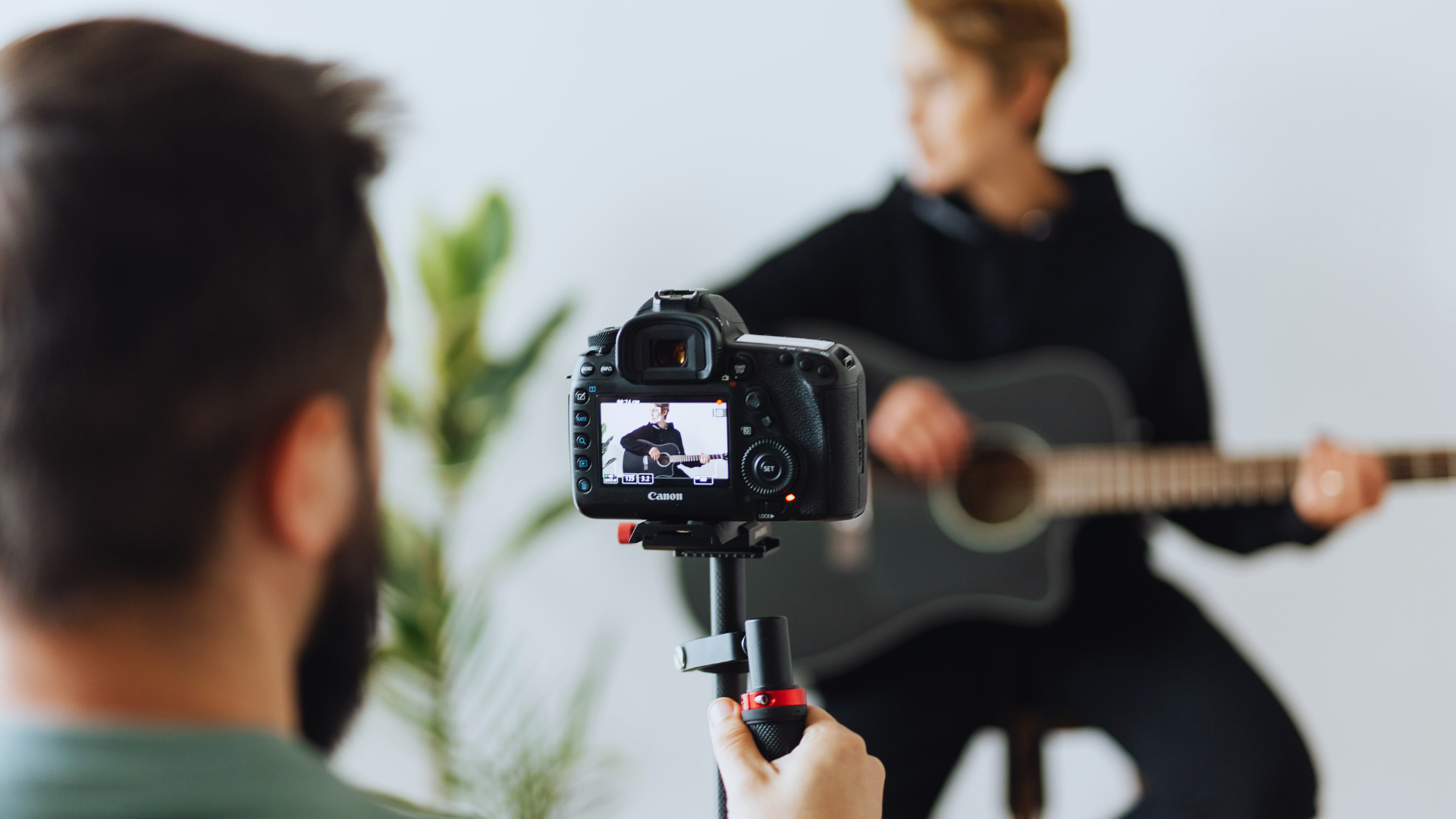
The evolution of music videos is closely tied to the rise of digital platforms. These platforms have changed how music videos are created, distributed, and consumed, making them more accessible and influential than ever before. The digital age transformed music videos from television spectacles into interactive, shareable content that reaches global audiences instantly.
With online platforms like YouTube, artists no longer rely solely on traditional TV channels for exposure. This shift has enabled more creative freedom and direct engagement with fans, shaping new trends and formats within the music video landscape.
As viewers increasingly consume content on mobile devices and social media, music videos have adapted to shorter, more visually striking forms. This ongoing shift highlights how digital platforms continue to redefine the role and impact of music videos today.
Music Videos in the Digital Era: Decline of Television and Rise of Platforms
Music videos shifted from being primarily television broadcasts to becoming digital-first content. Traditional music television networks lost dominance as online platforms offered greater accessibility and interactivity. This changed how artists and audiences engaged with music videos globally.
From MTV to the Internet: The Fall of Music Television
MTV launched in 1981 as the primary outlet for music video programming. It quickly became central to music promotion and pop culture. However, by the late 2000s, MTV started reducing music video airtime, focusing more on reality shows and other non-music content.
The rise of the internet offered new opportunities for viewers to watch videos on demand rather than follow scheduled TV programmes. This shift led to a decline in traditional music television viewership. Channels dedicated solely to music videos struggled as audiences preferred the flexibility and variety of online options.
The YouTube Revolution
YouTube launched in 2005 and revolutionised music video consumption. It allowed artists to upload videos directly, bypassing traditional gatekeepers like MTV. Fans gained instant access to official videos and user-generated content, expanding reach dramatically.
YouTube’s vast global audience enabled independent artists to build followings without record label support. The platform introduced features like video recommendations, comments, and sharing, which helped music videos become social experiences. Monetisation options for creators and labels further cemented YouTube’s importance in the music video ecosystem.
Emergence of Streaming Services and Platforms
Streaming platforms such as Spotify and Apple Music have integrated video content, blending audio and visual experiences. Spotify began offering music video features to complement its vast music catalogue. These platforms use personalised algorithms to recommend videos, increasing viewer engagement.
Other services, like Vevo, partnered with digital platforms to distribute artist videos widely. Streaming platforms emphasise convenience and accessibility, allowing users to watch music videos alongside other media types. This expansion into streaming further diversified how audiences discover and consume music videos beyond traditional TV.
The Impact of Social Media and Short-Form Content
Music videos have shifted significantly due to the rise of social media platforms, especially those prioritising short-form content. These platforms enable rapid dissemination and fan engagement, reshaping how artists and marketers approach video creation and distribution.
TikTok and the Viral Video Phenomenon
TikTok transformed music video promotion through its algorithm, favouring viral clips. Tracks often gain popularity from 15 to 60-second videos created by users, dramatically increasing song exposure and streaming numbers.
Artists now design songs with “TikTok moments”—specific hooks or dance moves that encourage user replication. Viral challenges boost songs that might otherwise remain niche, making TikTok an essential marketing tool.
TikTok’s ability to generate global hits quickly influences music video trends by prioritising snippets over full-length videos. The platform blurs the line between fan content and official music videos.
Influence of Instagram, Reels, and Twitter
Instagram Reels supports music marketing by allowing artists to share short, polished clips, often highlighting visual aesthetics or choreography. These 15-30 second videos are easily shareable and integrated into user feeds.
Twitter, meanwhile, facilitates real-time conversation and meme culture around music videos. Artists and fans interact via hashtags, generating buzz that feeds back into streaming success.
Instagram Stories and Reels also feature interactive tools like polls and questions, increasing fan involvement and making music videos more dynamic and socially integrated.
Fan Interaction and Cultural Change
Social media platforms enable direct fan interaction, shifting power dynamics between artists and audiences. Fans co-create video narratives through comments, remixes, and reaction videos.
This interaction contributes to cultural shifts in music video content. Videos increasingly incorporate trends from meme culture, inclusivity, and user-generated formats, expanding traditional storytelling.
Artists use their presence on these platforms to respond to fan feedback rapidly, creating a more cyclical and collaborative creative process that influences video production and promotion strategies.
Transforming the Artistry and Influence of Music Videos
Music videos have expanded beyond mere promotional tools to become powerful avenues for visual creativity and cultural dialogue. They combine artistic expression with social themes, while also shaping popular culture across different eras.
Visual Storytelling and Artistic Expression
Music videos use visual storytelling to deepen a song’s narrative, combining imagery, choreography, and cinematography. Directors experiment with colour, symbolism, and editing techniques to evoke emotions and emphasise key messages.
Artists collaborate closely with filmmakers to craft stories that complement or reinterpret lyrics. This approach makes videos a medium where music and cinema intersect meaningfully, enhancing audience engagement.
The rise of digital platforms has increased creative freedom and lowered production barriers. This shift encourages diverse storytelling styles, from surrealism to realism, offering fresh artistic expressions that engage viewers visually and intellectually.
Icons and Cultural Influence: Michael Jackson, Madonna, and Beyoncé
Michael Jackson revolutionised the music video with cinematic storytelling and groundbreaking dance sequences. His “Thriller” video set new standards in production value, special effects, and narrative complexity.
Madonna used music videos to challenge social norms and gender roles, incorporating provocative visuals that sparked debate. Her videos emphasised theatricality and bold artistic choices, influencing subsequent pop culture trends.
Beyoncé combines visual artistry with themes of empowerment and identity. Her videos embrace cultural heritage and political statements, demonstrating how music videos can become platforms for cultural discourse while maintaining broad appeal.
Indie Musicians and the Democratisation of Music Videos
Digital platforms have removed many barriers for indie musicians, allowing them to create and distribute music videos without large budgets. Tools like affordable cameras and editing software enable artistic innovation outside major labels.
Indie videos often prioritise unique visual styles and intimate stories over high production value. They reflect diverse voices and subcultures, expanding the range of narratives presented in music media.
This democratisation fosters community connection and artistic experimentation. Indie creators directly reach audiences globally, bypassing traditional gatekeepers and influencing music video trends through originality and authenticity.
Music Videos as Social Commentary and Mental Health Awareness
Music videos increasingly address social issues, using visual elements to highlight topics like inequality, racism and mental health. This adds depth to songs and raises public awareness.
Artists integrate imagery that reflects mental health struggles, breaking stigma and encouraging dialogue. Videos often depict honesty and vulnerability, creating empathy and understanding among viewers.
The rise of digital sharing accelerates the impact of these messages, spreading socially conscious content widely. Music videos become tools not only for entertainment but also for activism and education.
Opportunities and Challenges in the Evolving Landscape
Digital platforms have transformed how music videos serve as tools for exposure and revenue. They offer artists new routes to connect with audiences, but also bring risks surrounding content ownership and monetisation.
Artist Promotion and New Marketing Strategies
Digital platforms have expanded the reach of music videos remarkably. Artists now use services like YouTube, TikTok, and Instagram to launch targeted campaigns that engage millions globally.
The rise of algorithm-driven recommendations allows emerging musicians to appear alongside established acts, increasing visibility without traditional label backing. Interactive features such as live streams, fan polls, and collaborations enhance engagement and create viral moments.
Marketing shifts from solely broadcast to a mix of organic growth and paid promotions. Data analytics enables precise audience targeting and performance tracking. This continues to reshape how the music industry approaches promotion and brand partnerships, opening doors for creative, direct fan interaction.
Piracy and the Value of Original Content
The proliferation of digital platforms has also intensified concerns around piracy. Unauthorised sharing and downloads of music videos cut into artists’ revenue and undermine the industry’s investment.
Platforms respond with copyright detection tools and takedown policies, but enforcement remains challenging. Piracy complicates how value is assigned to original content in a landscape where free access is often expected.
The legitimate streaming model, supported by ads and subscriptions, attempts to balance accessibility with fair compensation. Protecting intellectual property while maintaining broad distribution is a constant tension for creators and the music industry alike.
Leave a Reply