
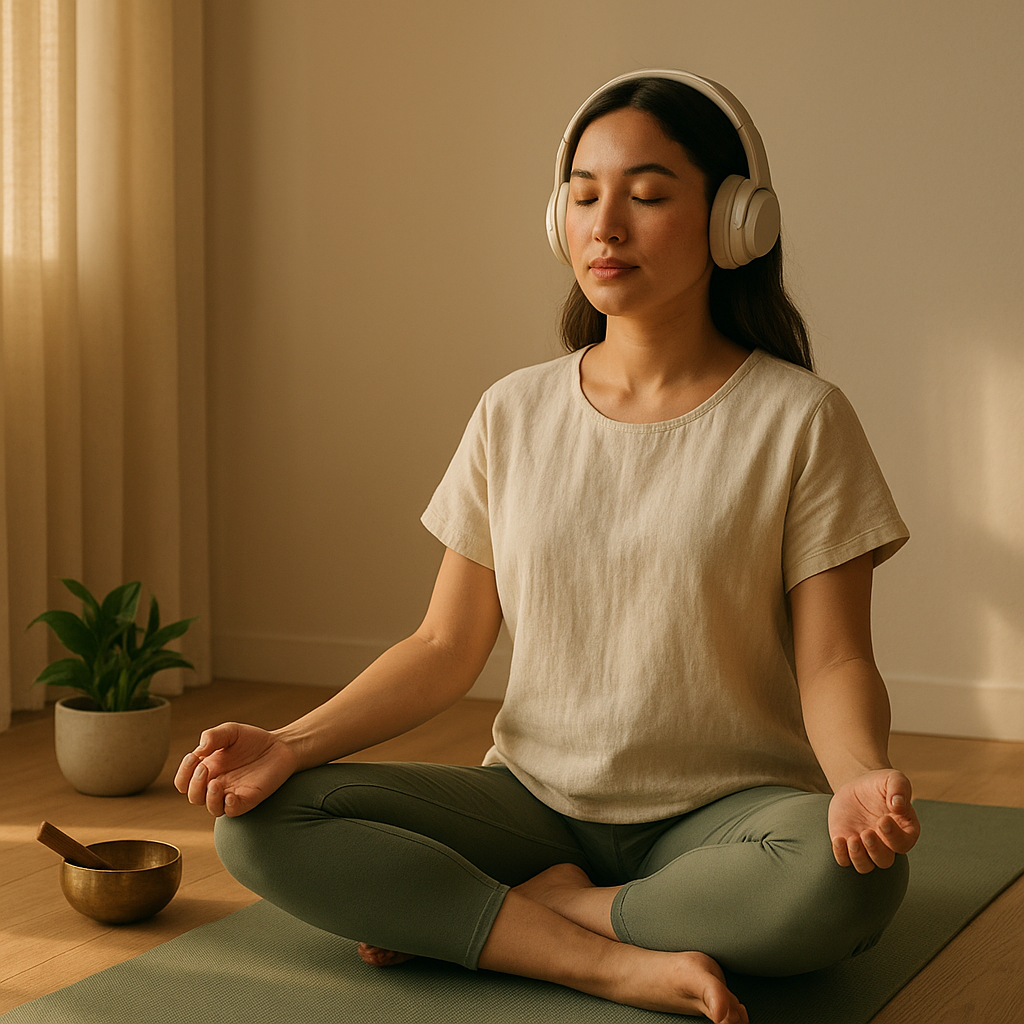
There’s something quietly remarkable happening in the wellness world. Alongside cold plunges, mindfulness apps, and adaptogenic lattes, music has claimed its own seat at the table — not as background noise, but as a legitimate tool for mental, emotional, and even physical wellbeing. From curated playlists prescribed by therapists to sound bath retreats selling out across the UK, the relationship between music and modern wellness has shifted from casual to intentional. And honestly, it makes a lot of sense.
We’ve always known, on some gut level, that a song can change our mood in seconds. But now, science is catching up with what our instincts have long understood. Research institutions, wellness organisations, and clinicians around the world are paying serious attention to how sound affects the human body and mind — and what they’re finding is genuinely fascinating.
The Science Behind Music and the Brain
Music doesn’t just tickle the ears — it lights up the brain like few other experiences can. When you listen to a piece of music you love, your brain releases dopamine, the same neurotransmitter involved in pleasure, motivation, and reward. A widely cited study published in Nature Neuroscience found that dopamine levels increase both in anticipation of a musical climax and at the moment it hits. That chill you feel during a particularly moving piece of music? Researchers call it a “musical frisson,” and it’s a genuine physiological response.
But the neurological effects go well beyond a feel-good moment. Music engages multiple regions of the brain simultaneously — the auditory cortex, yes, but also areas involved in memory, emotion, movement, and language. This widespread activation is part of why music is being explored as a therapeutic tool for conditions ranging from anxiety and depression to Alzheimer’s disease and chronic pain.
How Music Affects Your Mood
The connection between music and mood is one of the most well-documented areas in music psychology. Simply put, music has a profound ability to regulate our emotional states — and most of us use it this way instinctively. We put on upbeat songs when we need energy, slower melodies when we want to wind down, and something achingly familiar when we’re feeling nostalgic or low.
Research from the University of Groningen found that music doesn’t just reflect our current mood — it can actively shift it. Participants who listened to happy music while trying to identify the emotions in ambiguous faces were significantly more likely to perceive happiness. This suggests that music isn’t just a mirror; it’s a lens that can literally change how we perceive the world around us.
On a more practical level, this mood-modulating effect is increasingly being used in structured wellness contexts. Therapists use carefully selected music to help clients access emotions that might be difficult to verbalise. Yoga studios and meditation centres build entire class experiences around carefully curated soundscapes. Even hospitals are integrating music into recovery programmes to reduce pre-operative anxiety and lower the need for sedation medication.
Music as a Wellness Practice: What the Trends Tell Us
The Global Wellness Institute has identified music-based wellbeing as one of the most significant emerging trends in the health and wellness space for 2025. This isn’t just about passive listening — it encompasses a broad and growing ecosystem of intentional music experiences designed to support mental and physical health.
Sound Baths and Vibrational Healing
Sound baths have moved from niche spiritual circles into mainstream wellness culture. Using instruments like crystal singing bowls, Tibetan bowls, gongs, and tuning forks, practitioners guide participants through an immersive auditory experience that many describe as deeply meditative or even transformative. Advocates claim the resonant vibrations help release tension, reduce cortisol levels, and encourage a state of deep rest.
While the evidence base for some of the more esoteric claims is still developing, there is growing research to suggest that sound-based meditation practices can meaningfully reduce anxiety and promote relaxation. A 2016 study published in the Journal of Evidence-Based Complementary and Alternative Medicine found that participants who attended a Tibetan singing bowl meditation reported significantly less tension, anxiety, and physical pain than those who sat in silence.
Music Therapy as a Clinical Tool
Music therapy — a regulated clinical profession practised by accredited therapists — is gaining significant momentum as part of integrated healthcare. Unlike simply listening to music for enjoyment, music therapy involves structured interventions delivered by a trained professional to address specific health goals. These might include improving communication in individuals with autism spectrum conditions, supporting emotional processing in trauma recovery, or maintaining cognitive function in people living with dementia.

The NHS in the UK has been exploring music therapy as part of mental health services, and numerous charities and organisations are funding research into its broader applications. The evidence is compelling: a 2017 Cochrane review found that music therapy, when added to standard care, produced meaningful improvements in depression and anxiety among adults with mental health conditions.
Functional Playlists and the Productivity-Wellness Crossover
One of the most accessible ways music has woven itself into daily wellness routines is through the rise of functional playlists — music specifically curated to support particular states or activities. Streaming platforms now offer playlists categorised not just by genre, but by intended effect: focus, sleep, stress relief, motivation, meditation.
This is more than a marketing gimmick. The concept of using music to enhance cognitive performance has genuine scientific backing. Research suggests that certain types of music — particularly instrumental tracks with a steady tempo and minimal lyrical distraction — can improve concentration and cognitive endurance. The “Mozart Effect,” though often overstated in popular media, pointed to a real phenomenon: auditory stimulation can temporarily prime spatial reasoning and focus.
For people navigating the pressures of modern working life, a thoughtfully chosen playlist can be a simple, low-cost, and highly effective wellness tool.
The Physical Dimension: Music, Movement, and the Body
Wellness isn’t just about mental and emotional health — and music’s influence extends into the physical realm in genuinely significant ways.
Exercise, Performance, and Recovery
Ask any regular gym-goer, runner, or cyclist whether music affects their performance, and the answer will almost universally be yes. Sports science has confirmed what athletes have intuitively known for decades: music enhances physical performance by reducing the perception of effort, increasing endurance, and improving mood during exercise.
Sports psychologist Dr Costas Karageorghis, widely regarded as a leading authority on music and exercise, has spent decades researching this relationship. His work demonstrates that synchronising movement to music — particularly tracks with a tempo that matches the desired exercise pace — can improve efficiency, delay fatigue, and even reduce the psychological experience of pain during intense effort.
Recovery, too, benefits from music. Slow, calming music after exercise has been shown to accelerate the return of heart rate to resting levels and reduce levels of cortisol (the stress hormone) in the blood. It’s a simple post-workout intervention with measurable physiological effects.
Sleep, Stress, and the Autonomic Nervous System
Music’s ability to influence the autonomic nervous system — the part of the nervous system responsible for regulating heart rate, breathing, and the stress response — makes it a powerful tool for managing two of the most common modern health challenges: poor sleep and chronic stress.
Slow-tempo music (typically around 60 beats per minute) can help shift the body from a sympathetic (fight-or-flight) state into a parasympathetic (rest-and-digest) state. This physiological shift is associated with lower heart rate, reduced blood pressure, slower breathing, and a general sense of calm. For people who struggle to wind down before sleep, a consistent routine involving calming music before bed may meaningfully improve sleep onset and quality.
The Positive and Negative Effects of Music on the Brain
It would be incomplete to discuss music and wellness without acknowledging that, like most powerful tools, music isn’t universally beneficial in all contexts or for all people. The vast majority of the evidence points to its positive effects — but there are nuances worth understanding.

On the positive side, regular intentional engagement with music has been associated with:
- Reduced anxiety and depression symptoms, particularly when used as part of a structured therapeutic approach
- Improved cognitive function, including memory, attention, and processing speed
- Enhanced social connection, as communal music experiences (concerts, choirs, group drumming) foster a sense of belonging and shared emotion
- Pain management, with studies showing music can reduce the perception of pain in clinical and post-operative settings
- Better emotional regulation, helping individuals process difficult feelings more effectively
On the other hand, music isn’t without its complexities. For some individuals, particularly those who have experienced trauma, certain songs or musical styles may trigger distressing emotional responses. Loud music over prolonged periods carries real risks for hearing health. And using music as a constant form of emotional avoidance — drowning out difficult feelings rather than processing them — may not always serve long-term mental wellbeing.
The key distinction wellness practitioners increasingly emphasise is intentional listening versus passive consumption. The former tends to be enriching; the latter can sometimes become habitual in ways that aren’t particularly nourishing.
Bringing Music Into Your Everyday Wellness Routine
The beauty of music as a wellness tool is its accessibility. Unlike many wellness trends that require significant financial investment or lifestyle overhaul, meaningful engagement with music can begin with whatever is already in your ears.
A few practical approaches that align with current evidence and wellness thinking:
- Morning intention-setting playlists: Starting the day with music that reflects how you want to feel — energised, calm, focused — can set a constructive emotional tone for the hours ahead.
- Mindful listening sessions: Setting aside even ten minutes to listen to music without any other activity — no scrolling, no multitasking — can be a surprisingly meditative experience.
- Movement to music: Whether it’s a structured workout, a walk with a well-chosen podcast, or an impromptu kitchen dance, aligning physical movement with music amplifies both the enjoyment and the physiological benefit.
- Wind-down soundscapes: Incorporating calming music or nature sounds into an evening routine can help signal to the nervous system that it’s time to shift gears.
- Live music experiences: The communal, embodied experience of live music — whether a small local gig or a larger event — offers a form of social and emotional nourishment that recorded music, for all its convenience, can’t fully replicate.
Why This Moment Matters
There’s a reason music has found its way so naturally into the wellness conversation right now. We’re living through a period of heightened collective stress — economic uncertainty, digital overwhelm, social fragmentation — and people are looking for tools that genuinely help them feel more grounded, connected, and alive. Music, with its extraordinary ability to reach us emotionally and regulate us physiologically, fits that need almost perfectly.
It’s also deeply human. Long before wellness was an industry, music was medicine, ritual, community, and comfort. What’s new isn’t the healing power of music — it’s that we’re beginning to understand why it works, and how to use it more deliberately.
In Summary
Music has earned its place at the centre of modern wellness not through hype, but through a growing body of evidence that confirms what human experience has always suggested: sound shapes the way we feel, think, and function. From the neurological release of dopamine to the parasympathetic calm induced by slow-tempo melodies, from the clinical rigour of music therapy to the simple joy of a morning playlist that makes you feel ready for the day — music offers something genuinely valuable to those seeking to live well.
Its accessibility is part of its power. It requires no special equipment, no membership, and no expertise to begin exploring. Whether through dedicated listening practices, movement, communal experiences, or therapeutic interventions, the science increasingly supports what the soul already knows: music matters, and it belongs in any serious conversation about human health and wellbeing.
Leave a Reply