
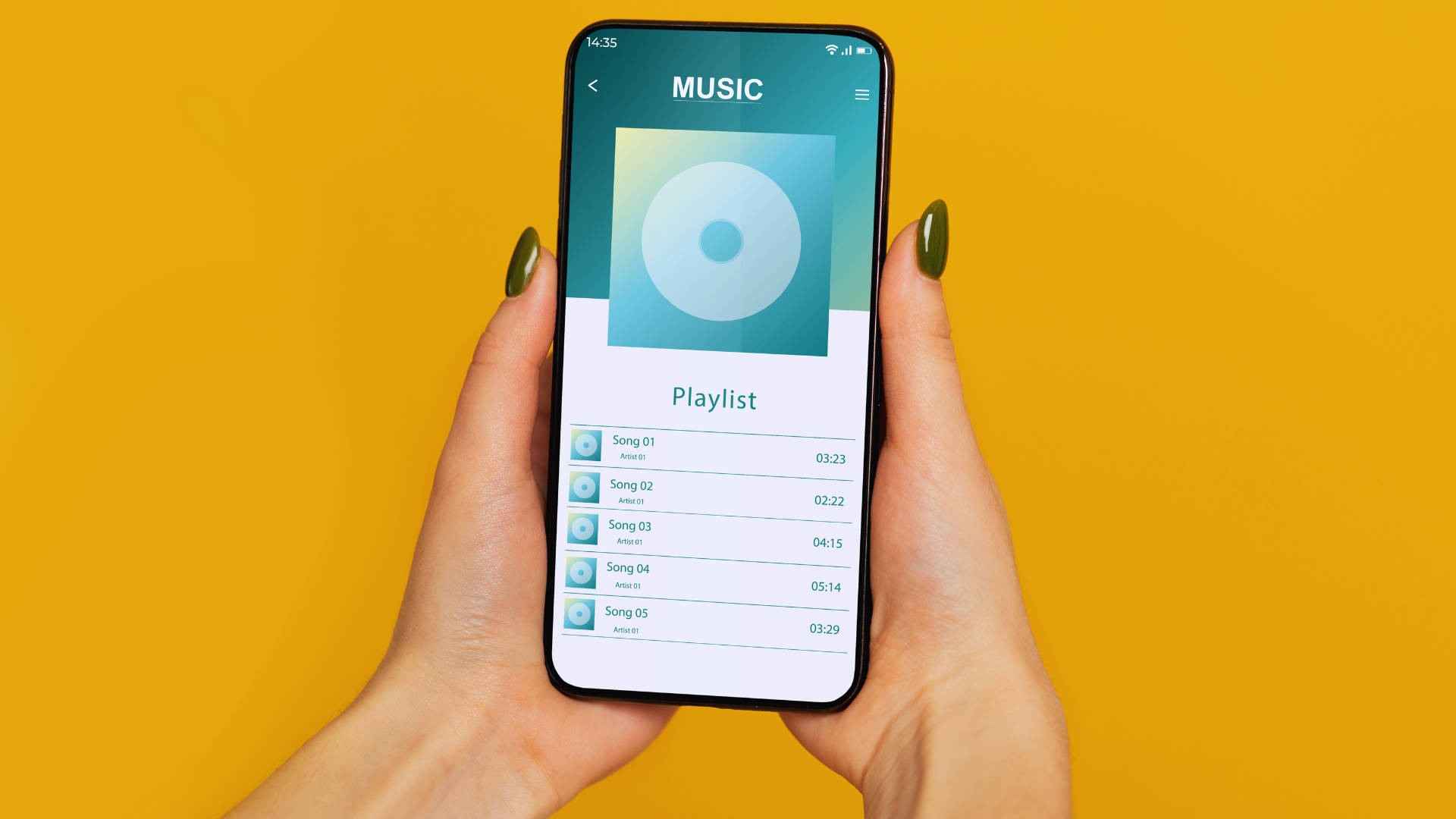
Shared playlists offer a simple yet powerful way for people to connect through music. By contributing songs, friends create a unique space that reflects their tastes and experiences together. This collaborative process helps build stronger bonds by fostering shared memories and mutual understanding.
When friends listen to a playlist they’ve crafted together, it deepens their sense of connection. It also provides opportunities for meaningful conversations about music and life. Over time, these shared playlists become a soundtrack to their friendship, making moments more memorable.
The act of curating and updating a playlist together encourages communication and cooperation. It shows care and attention to what each person enjoys, creating an ongoing link between friends, no matter the distance.
The Role of Shared Playlists in Friendships
Shared playlists create a space where friends combine personal tastes, making music a point of connection. They enable ongoing interaction through music selection, enhancing communication and mutual understanding. This process deepens bonds by reflecting each person’s identity in a collective form.
Understanding Collaborative Playlists
Collaborative playlists allow multiple users to add, remove, or reorder songs. This dynamic aspect encourages participation and negotiation in music choices, reflecting the group’s evolving preferences. Platforms like Spotify make it simple to create these playlists, making music a shared experience.
Users feel a sense of ownership and contribution, which strengthens interpersonal bonds. Regular updates to the playlist keep the connection active, as friends continuously share moments through sound. Collaborative playlists become a digital record of a friendship’s growth over time.
Music Sharing as a Social Connector
Music sharing goes beyond just exchanging songs; it is a way to express emotions, memories, and social cues. When friends share tracks, they reveal personal stories and moods, offering insight into individual identities. This sharing can spark conversations and create new memories linked to the music.
Social functions in music apps include commenting or reacting, which add layers to the interaction. Sending a playlist or favourite song during significant events or everyday moments creates a ritual that can strengthen friendships. Music becomes a language through which people connect, despite physical distance.
Comparing Blends and Other Playlist Features
Spotify Blend merges the musical preferences of two users into a single playlist, highlighting commonalities and differences. Unlike typical collaborative playlists, Blends are algorithmically curated and updated daily. This feature offers a fresh way to discover how tastes align or diverge.
Other playlist features, such as followers, sharing settings, and integration with social media, affect how music sharing fuels friendships. For example:
|
Feature |
Purpose |
Impact on Friendships |
|
Collaborative Playlists |
Allows multiple contributors |
Fosters active participation |
|
Spotify Blend |
Combines two users’ tastes |
Reveals compatibility in music taste |
|
Sharing Settings |
Controls access and visibility |
Maintains privacy or opens sharing |
|
Social Media Links |
Enables public sharing and discovery |
Broadens social interaction |
These features provide varied ways to engage, catering to different relationship dynamics and preferences.
Deepening Bonds Through Musical Collaboration
Shared playlists create a space where friends reveal personal tastes and feelings through music. Collaborative listening helps people negotiate musical preferences and learn more about each other’s experiences and values.
Expressing Identity and Emotions
Through shared playlists, friends convey aspects of their personality and current emotions without needing verbal explanation. Music choices often reflect mood changes, personal memories, or identity facets.
Spotify users, for instance, may add songs that represent their cultural background or significant life events. This act of sharing music offers insight into their inner world, building empathy and mutual understanding.
The diversity in song selection encourages openness. It allows friends to connect on emotional levels by recognising feelings expressed through lyrics or melodies that might otherwise remain unspoken.
Curating Playlists Together
The process of collaboratively building a playlist involves negotiation and compromise that strengthen relationships. Friends discuss and select tracks, balancing different music tastes to create a unified listening experience.
This co-curation can result in discovering new genres or artists, attracting curiosity and shared excitement. It also enhances communication, as decisions about song order and inclusion stimulate meaningful dialogue.
Moreover, the act of jointly updating playlists keeps the connection dynamic, reflecting ongoing changes in the friendship and personal growth of each member.
Music Taste and Relationship Insight
Examining music taste reveals patterns about a person’s values, preferences, and social identity. When friends share playlists, they gain direct insight into each other’s likes and dislikes.
This knowledge helps avoid misunderstandings or assumptions about character. It also allows friends to appreciate diversity in music choices rather than merely tolerate differences.
In turn, this fosters respect and a deeper connection. The familiarity with another’s musical world can become a foundation for stronger, more nuanced friendships.
Long-Distance Friendships and Shared Playlists
Shared playlists provide a way for friends separated by distance to connect over common interests. They enable consistent interactions and create opportunities to experience moments together through music despite being apart.
Bridging Geographical Gaps
Friends living in different countries, such as one in India and another at college abroad, can use shared playlists to maintain closeness. The playlists become a dynamic space where both add songs reflecting their current experiences or moods.
This constant update helps bridge time zone differences and geographical barriers. It allows them to stay involved in each other’s lives, sharing new music discoveries or old favourites, enhancing their bond without physical presence.
Rituals and Shared Experiences
Creating or updating a playlist can become a ritual, a scheduled activity that friends look forward to doing together. This ritual acts as a shared experience, even if it happens asynchronously.
For example, friends might decide to add songs every weekend or whenever one passes an important event like exams at college. These small acts foster a sense of routine and mutual engagement, reinforcing their emotional connection.
The Influence of Streaming Data
Streaming platforms track listening habits and playlist changes, which can influence how friends curate shared playlists. Access to streaming data offers insights into each other’s preferences and patterns.
They can identify songs they repeatedly listen to or those skipped, helping to tailor the playlist better. This data-driven approach encourages more personalised sharing, making the playlist a more accurate reflection of their friendship and current lives.
Global Perspectives on Collaborative Music
Collaborative music sharing varies widely across cultures and platforms. These variations influence how people build friendships through shared playlists. Different regions display unique habits and platform features that shape the experience.
Cultural Differences in Playlist Practices
In North America and Europe, sharing collaborative playlists often centres on discovering new music and expressing individual tastes. Users typically update playlists frequently, creating a dynamic listening experience. This approach encourages constant interaction among friends.
In contrast, some Asian countries, like Japan and South Korea, lean towards curated playlists with specific moods or themes. The emphasis lies more on collective enjoyment rather than personal contributions. Shared playlists here act as social rituals rather than casual sharing.
Latin American users often integrate collaborative playlists into everyday social events. Music choices tend to reflect community identity, reinforcing group bonds. These practices highlight how music functions as a cultural connector beyond mere entertainment.
Platform Features Across Regions
Spotify, a dominant player globally, offers collaborative playlists with real-time editing and notifications, supporting user engagement worldwide. Its popular feature, Spotify Wrapped, also promotes playlist sharing by showcasing yearly preferences, sparking conversations.
However, in China, where Spotify is unavailable, platforms like NetEase Cloud Music provide playlist collaboration with integrated social features such as comment threads and “like” options on playlist contributions. These tools foster a stronger sense of community within the platform.
Platforms in Europe, such as Deezer, focus on personalised algorithmic recommendations within collaborative playlists. This creates a balance between user input and automated suggestions, making the playlist experience tailored yet social.
|
Region |
Playlist Approach |
Notable Platform Feature |
|
North America |
Frequent updates, personal taste |
Spotify collaborative editing |
|
Asia |
Themed, mood-based playlists |
NetEase Cloud Music’s social comments |
|
Latin America |
Social event integration |
Emphasis on communal identity |
|
Europe |
Algorithm-personalisation |
Deezer’s personalised recommendations |
Leave a Reply