
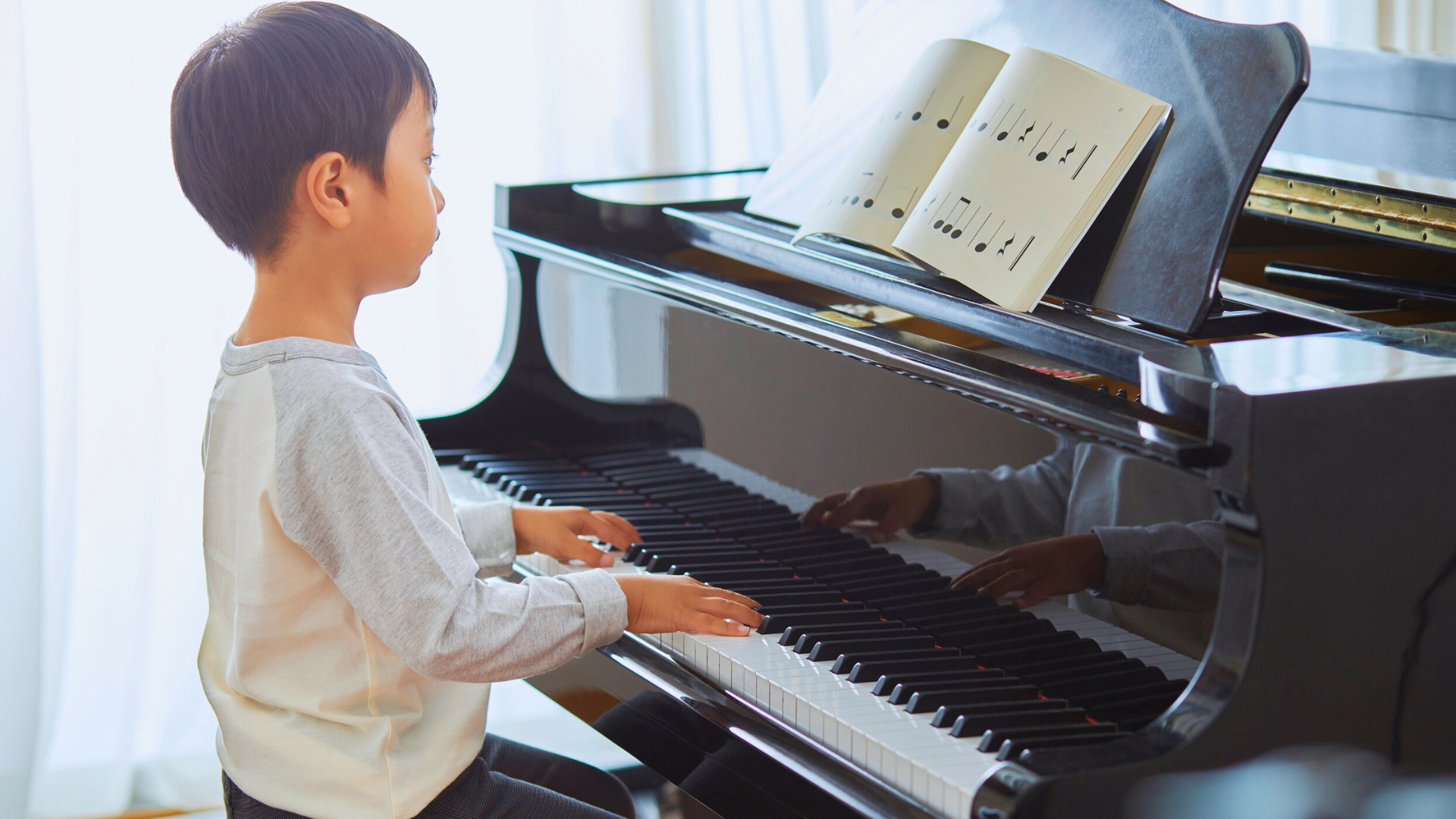
Learning music positively influences brain development by enhancing cognitive abilities like memory, attention, and problem-solving. Musical training strengthens neural connections and promotes better communication between brain regions. This leads to improvements in both academic and everyday skills.
Research shows that playing an instrument or engaging with music encourages the brain to adapt and form new pathways. These changes support language development, spatial reasoning, and emotional regulation.
For anyone curious about how music shapes the mind, understanding these effects reveals why it is more than a creative outlet. It offers a practical way to boost brain function through consistent practice and engagement.
How Learning Music Influences Brain Development
Learning music impacts brain function by enhancing neural connections, activating multiple brain regions, and optimising development during specific periods. These effects support cognitive skills, emotional regulation, and sensory processing.
Neuroplasticity and Brain Connectivity
Learning to play an instrument stimulates neuroplasticity, the brain’s ability to reorganise itself. This rewiring improves communication between the brain’s hemispheres, particularly via the corpus callosum. Studies show that musicians often have increased grey matter volume in areas responsible for auditory processing and motor coordination.
Music education encourages fine motor skills and sensorimotor integration through repeated practice. This process strengthens synaptic connections, leading to improved memory, attention, and problem-solving abilities. The constant demand for multitasking during musical performance also refines executive functions.
Critical Periods for Musical Exposure
Early exposure to music significantly influences brain development, especially before adolescence. During these critical periods, the brain is highly receptive to learning new skills, and musical training can lead to lasting structural changes. Children who begin musical education before age seven often show superior auditory discrimination and language processing.
Timing matters because plasticity decreases with age. While adults can still benefit from learning music, younger learners develop more extensive neural adaptations. This underscores the importance of starting music education early to maximise cognitive and neurological benefits.
Brain Regions Activated by Music
Learning music engages diverse brain regions simultaneously. The auditory cortex processes sound frequencies and patterns. The motor cortex coordinates finger movements on instruments. The prefrontal cortex manages attention and planning needed for practice and performance.
Additionally, the limbic system is activated, influencing emotional responses to music. This interplay supports improved mood and stress regulation. The hippocampus, involved in memory formation, is also engaged during musical learning, assisting in the retention of complex sequences and rhythms.
Brain Areas and Functions in Music Learning:
|
Brain Region |
Function |
|
Auditory Cortex |
Sound processing |
|
Motor Cortex |
Movement control |
|
Prefrontal Cortex |
Attention and executive control |
|
Limbic System |
Emotional processing |
|
Hippocampus |
Memory and learning |
Cognitive Benefits of Music Education
Music education actively engages multiple brain regions, influencing skills beyond musical ability. Learning to play an instrument requires coordination, listening, and interpretation, which together improve various cognitive functions.
Enhancing Language and Literacy Skills
Playing an instrument develops auditory discrimination, allowing learners to identify subtle differences in pitch and tone. This skill translates into better phonological awareness, which is critical for reading and language comprehension.
Studies show that children involved in music education improve in vocabulary acquisition and grammar understanding. Learning rhythms and melodies helps with recognising patterns in speech, assisting in fluency and articulation.
Music training enhances neural pathways associated with processing sounds, leading to stronger language development. These benefits link directly to improved reading skills and overall literacy.
Strengthening Memory and Attention Span
Music education requires memorising notes, rhythms, and sequences, training both short-term and long-term memory. This constant practice enhances the brain’s capacity to store and recall complex information.
Playing an instrument demands focused attention and filtering out distractions. As a result, learners often show increased concentration skills that transfer to other academic tasks.
Regular music practice strengthens executive function, which includes working memory and sustained attention. These cognitive improvements assist in everyday learning and problem-solving.
Boosting Mathematical and Problem-Solving Abilities
Music involves understanding rhythms, beats, and scales, which are inherently mathematical concepts. Learning to play an instrument requires recognising patterns and grasping fractions, ratios, and timings.
These mathematical connections support improved numeracy skills. Research indicates that students engaged in music education score higher in spatial-temporal reasoning, an ability important for solving complex problems.
The process of interpreting music and adjusting performance also nurtures critical thinking and creativity. This combination helps develop effective problem-solving strategies in academic and real-world contexts.
Emotional, Social, and Motor Development Through Music
Music education shapes emotional understanding, fosters teamwork, and strengthens fine and gross motor skills. It promotes practical abilities such as managing feelings, interacting socially, and coordinating movements.
Emotional Regulation and Confidence Building
Engagement with music helps individuals identify and express emotions clearly. Playing an instrument or singing requires focus and control, which supports emotional regulation.
Performing in front of others builds confidence. Overcoming stage anxiety through regular practice cultivates a sense of achievement.
Music education also offers a safe outlet for processing complex feelings, reducing stress and improving mood stability.
Development of Social Skills and Collaboration
Music settings teach cooperation through group performances and ensemble work. Participants learn to listen attentively and synchronise their efforts with others.
Shared musical experiences encourage empathy and respect. These skills are often transferred to social interactions outside the music environment.
The discipline required for rehearsals and concerts reinforces responsibility and accountability within a group.
Supporting Motor Skills and Physical Coordination
Playing instruments involves precise finger movements, improving fine motor skills. Wind and percussion instruments also develop breath control and hand-eye coordination.
Rhythm training enhances timing and balance. These skills contribute to overall physical coordination.
Music education encourages repetitive practice, which strengthens neural pathways related to motor control, benefiting other physical activities.
Practical Strategies to Support Musical Growth
Effective support for musical growth requires deliberate actions focusing on early exposure, a rich environment, and the use of modern tools. These steps help develop skills, maintain motivation, and enhance learning outcomes.
Introducing Music Early in Life
Starting musical experiences in early childhood boosts brain plasticity and sensitivity to sound patterns. Listening to varied styles, singing nursery rhymes, and playing simple rhythm games develop auditory discrimination and memory.
Encouraging toddlers to explore instruments like tambourines or xylophones builds fine motor skills and hand-eye coordination. Early exposure does not need formal lessons; consistent interaction with music at home sets the foundation for later structured learning.
Parents and caregivers should model enthusiasm for music, attend live performances together, and incorporate music naturally into daily routines. This creates positive emotional connections and makes learning to play an instrument feel accessible rather than daunting.
Creating a Musical Environment at Home
A home environment rich in musical resources supports continual practice and discovery. Accessible instruments should be arranged in safe, visible spaces so children can experiment without pressure.
Music recordings, books about musicians, and posters related to music can increase interest and provide context. Designated practice times with minimal distractions promote discipline and improve skill retention.
Families can establish routines such as daily singing or instrument play sessions. Encouragement and positive feedback motivate learners. Sharing music-related activities with siblings or friends fosters social learning and collaboration.
Leveraging Technology for Learning
Digital tools provide diverse ways to support music education outside traditional settings. Apps designed for rhythm training, note recognition, or instrument tutorials can personalise learning paths.
Online platforms offer access to virtual lessons, sheet music, and backing tracks, which aid consistent practice at flexible times. Video recordings of performances allow learners to self-assess and track improvement visually.
Technology also offers interactive feedback through gamified exercises that sustain engagement. However, balance is key—screen use should complement rather than replace hands-on instrument practice and real-world listening experiences.
Leave a Reply