
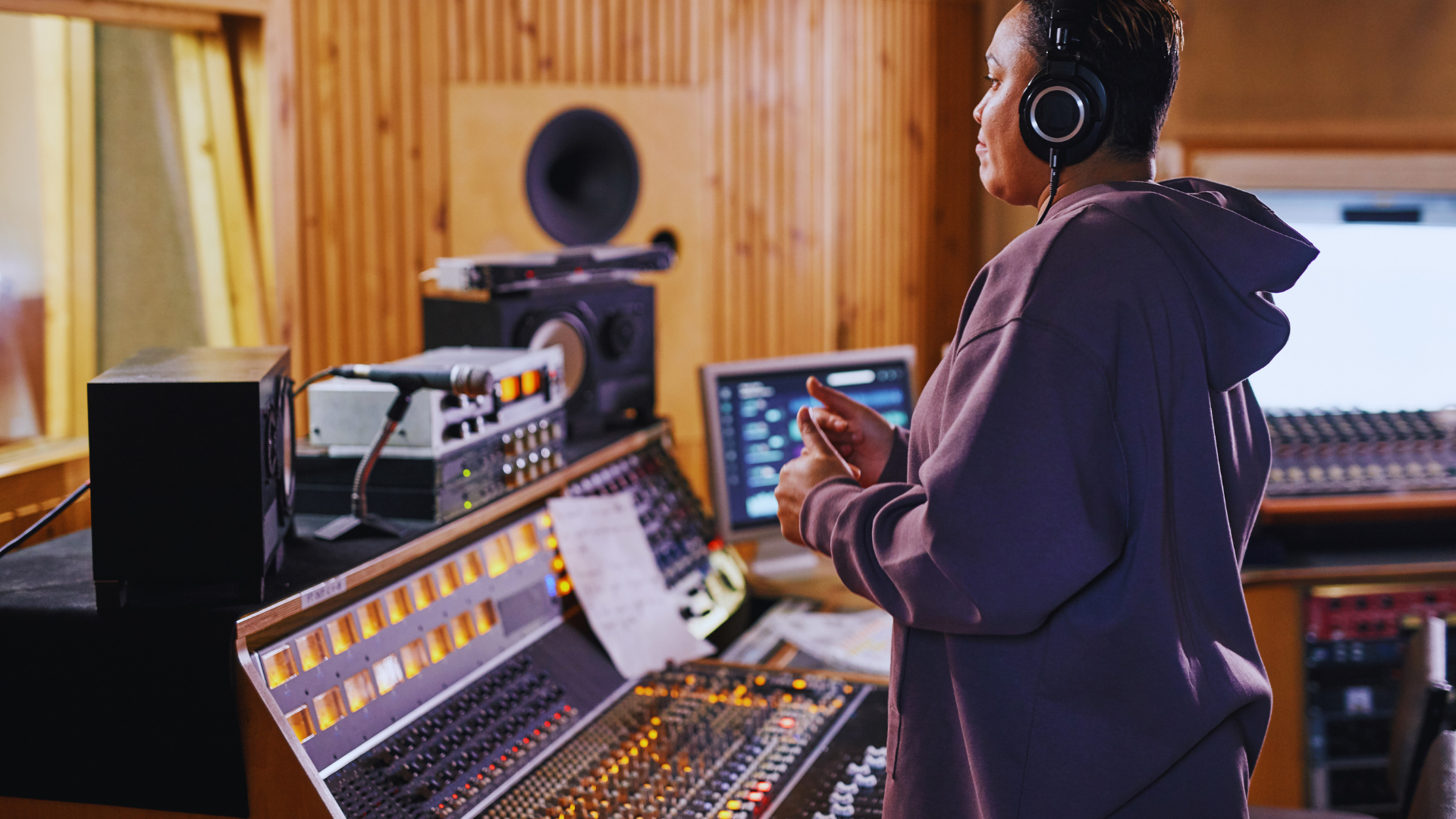
The landscape of music is evolving rapidly due to significant advancements in technology. Music technology is reshaping how artists create, distribute, and consume music, breaking down traditional barriers. From digital audio workstations to streaming platforms, these innovations have democratised access to music-making tools and global audiences.
Technological advancements have driven the digital revolution in music, transforming everything from recording techniques to listener experiences. Artists now utilise sophisticated software and hardware to craft their sounds, while listeners enjoy unparalleled access to diverse genres and formats. As music continues to adapt to these changes, its implications for creativity and commerce are profound.
This transformation highlights the importance of technology in redefining the music industry. The ways in which music is produced and experienced are fundamentally different from previous eras, reflecting a continual push towards innovation and inclusivity. This ongoing change invites exploration into the future of music and its potential to connect people across the globe.
The Digital Transformation in Music Production
The landscape of music production has changed dramatically due to technological advancements. Music creators now utilise digital tools that streamline the production process and enhance creative possibilities.
Advances in Digital Audio Workstations
Digital Audio Workstations (DAWs) like Pro Tools and GarageBand revolutionise music creation. They enable users to record, edit, and mix audio tracks seamlessly.
Modern DAWs offer robust features such as MIDI support, real-time audio manipulation, and multi-track recording. They provide users with extensive libraries of virtual instruments and effects. This accessibility empowers both amateurs and professionals.
Collaboration has also improved, with cloud-based functionalities allowing musicians to work together remotely. Innovations like automation and advanced audio effects help artists achieve polished, professional-sounding tracks with ease.
The Emergence of AI in Music Composition
Artificial intelligence plays an increasingly significant role in music composition. Platforms utilising AI algorithms can generate melodies, harmonies, and rhythms, thereby assisting composers in their creative processes.
These AI-generated compositions can serve as inspiration or as a baseline for further development. Tools such as OpenAI’s MuseNet are capable of generating original music across various genres and styles.
The integration of AI offers producers unique options and ideas that might not emerge during traditional songwriting sessions. This evolution ensures that musicians can expand their creative horizons while saving time in the ideation phase.
From Analogue to Digital Recording
The transition from analogue to digital recording transformed the music production industry. Early recording techniques required significant equipment and technical knowledge.
Digital recording simplifies these processes, allowing greater accuracy and control. Musicians can now record multiple takes, edit them easily, and manipulate sound without the inherent limitations of analogue tape.
Digital formats also improve sound quality and preservation. They enable mixing and distribution over various platforms, reaching audiences more efficiently. This shift aids in the evolution of music, as it allows for experimentation and innovation in sound design that was previously difficult to achieve.
Transition in Listening Experiences and Formats
The way individuals consume music has undergone significant changes, driven by technology and evolving preferences. This evolution has led to a shift from traditional formats to sophisticated streaming services and advancements in audio quality.
The Shift from Physical to Streaming Services
The transition from physical media such as vinyl records and compact discs to streaming services has transformed the music landscape. Platforms like Spotify, Apple Music, and Tidal offer vast libraries, providing access to millions of tracks at users’ fingertips.
This shift allows for personalised listening experiences. Users can create and share playlists, access curated content, and discover new artists with ease. The convenience of streaming on smartphones enhances portability, making music accessible anywhere.
Streaming statistics illustrate this change:
- Spotify boasts over 400 million users.
- Apple Music has grown significantly since its launch, now with over 88 million subscribers.
These numbers highlight the move away from physical formats, which are now considered niche.
Advancements in Audio Quality and Accessibility
Advancements in audio technology have improved listening experiences significantly. Streaming services now offer high-resolution audio options, allowing users to enjoy sound quality that rivals traditional formats.
Spatial audio technology enhances this experience, providing an immersive environment for listeners. Users with compatible headphones can experience sound from multiple directions, mimicking a live performance setting.
Accessibility is also crucial. The digital era has made music more available, enabling individuals with disabilities to engage with content through adaptive technology and features. The combination of audio quality and accessibility fosters a richer music experience for all users, regardless of their background or hearing capabilities.
Impact on the Music Industry and Artist Engagement
Music technology has significantly reshaped how artists interact with their audience and manage their careers. Innovations in music distribution, social media promotion, and the rise of independent artists have created new opportunities for engagement and growth.
Redefining Music Distribution and Rights Management
Music distribution has transformed dramatically through the emergence of streaming platforms. Services like Spotify and Apple Music provide artists with broader reach, allowing them to connect with global audiences instantly.
Blockchain technology is gaining traction for rights management, enabling transparent tracking of music ownership and revenue distribution. This decentralised approach ensures artists retain more control over their royalties, thereby enhancing their financial stability.
As digital audio workstations (DAWs) become more accessible, musicians can produce high-quality music from home. This shift not only reduces initial costs but also empowers artists to release their work independently, bypassing traditional label structures.
The Role of Social Media in Artist Promotion
Social media platforms have become essential tools for artist promotion. Sites like Instagram, TikTok, and Twitter allow artists to build their brand and engage directly with fans. This immediate interaction fosters loyalty and personal connection.
Targeted advertising on these platforms enables precise marketing strategies that can reach specific demographics. Content that resonates with audiences can lead to viral success, significantly amplifying an artist’s visibility.
Moreover, live streaming has emerged as a potent engagement medium. Artists can perform live shows and Q&A sessions, enhancing their relationship with fans. This trend has been particularly beneficial during times when in-person events are restricted.
The Growth of Independent Music through Technology
The rise of independent artists has been facilitated by technological advancements. With the proliferation of digital distribution services like DistroKid and CD Baby, musicians can publish their work without traditional label support.
This independence allows for creative freedom and flexibility in marketing. Artists can leverage social media for grassroots campaigns, often leading to significant followings without significant financial investment.
Additionally, technology enables musicians to collaborate across geographical boundaries. Online platforms facilitate partnerships that were once impractical, further diversifying the music landscape. The music industry is witnessing a shift where independence is not only viable but often preferable.
Emerging Trends and the Future of Musical Engagement
The landscape of musical engagement is evolving with advancements in technology. Two major trends are reshaping how audiences connect with music: interactive and virtual reality experiences, alongside the impact of blockchain technology on rights and ownership.
Interactive and Virtual Reality Concert Experiences
Virtual reality (VR) and augmented reality (AR) are transforming live music experiences. Artists and producers utilise VR to create immersive concert environments that can be accessed from anywhere in the world.
These interactive formats allow audiences to engage more deeply. Users can personalise their experiences, choosing vantage points or interacting with visual elements that accompany the performance.
With platforms like Oculus Venues and Wave, participants can attend virtual concerts with friends, sharing moments in a shared digital space. Such innovations not only expand reach but also create novel revenue streams for artists and promoters.
Blockchain and Music: A New Era for Rights and Ownership
Blockchain technology is making significant strides in music distribution, offering transparency and security. This decentralised system allows artists to manage their own rights and share music without intermediaries.
Smart contracts enable automatic royalty payments, ensuring creators receive their fair share. This is particularly important in a climate where traditional revenue models are declining.
Additionally, blockchain can enhance music sharing and recommendation systems. By verifying ownership and usage rights, artists gain more control over their work, fostering a fair and sustainable ecosystem.
Leave a Reply