
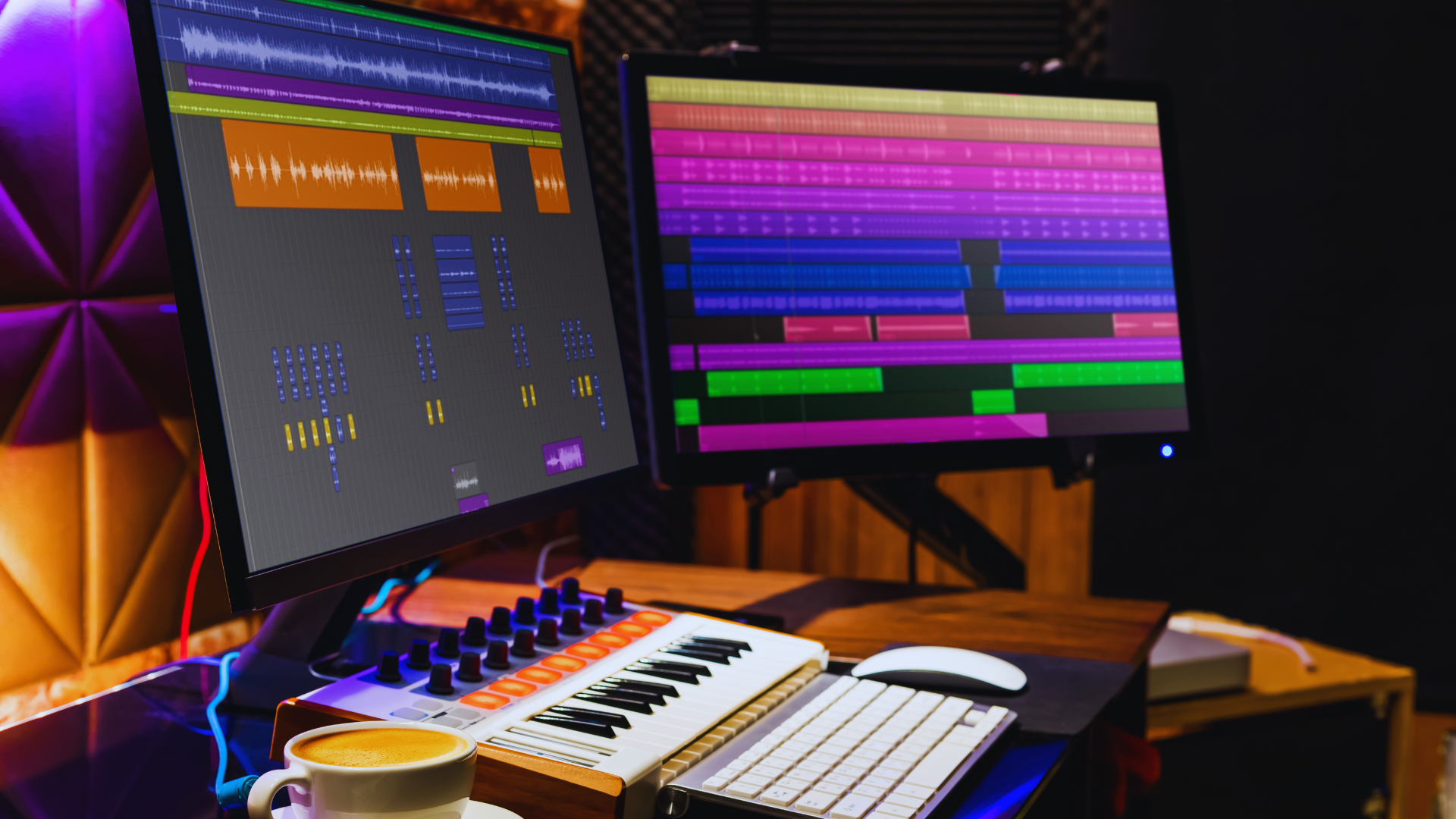
The future of digital music production is poised for transformation as artificial intelligence increasingly plays a role in creative processes. AI has the potential to enhance creativity, making it more accessible for artists and producers at all levels. This shift not only democratises music production but also reshapes the music industry by allowing more individuals to express their artistic visions without the barriers traditionally imposed by cost and complexity.
As technology advances, tools that utilise AI will improve efficiency and inspire innovation within music creation. Musicians will harness these advancements to explore new genres and sounds, pushing the boundaries of what is considered music. The integration of AI signals a new era where collaboration between humans and machines can lead to unique compositions and unprecedented opportunities for creativity.
Moreover, the implications for the music industry are profound, as accessible production tools enable a wider demographic to participate in music creation. This inclusivity can lead to a richer diversity of music, reflecting a broader range of experiences and cultural influences. As AI continues to evolve, it will play a crucial role in shaping the sonic landscape of the future.
Evolution of Music Production Technology
Music production technology has undergone significant transformations over the decades. These changes reflect the shift from analogue methods to advanced digital techniques, culminating in the integration of artificial intelligence and virtual instruments.
From Analogue to Digital
The transition from analogue to digital music production revolutionised the industry. Analogue equipment, such as tape machines and vinyl records, defined early music creation. The introduction of digital audio technology brought precision and efficiency. Digital formats allowed for easier editing, mixing, and replication.
Key developments included the creation of Compact Discs in the 1980s and the advent of the Digital Audio Workstation (DAW). This technology enabled music producers to record, edit, and manipulate audio with unprecedented control. Popular DAWs like Logic Pro emerged, setting a new standard for music production.
Influence of Digital Audio Workstations
Digital Audio Workstations changed how music is produced, mixed, and recorded. These platforms integrate various tools, including virtual instruments and MIDI sequencing, streamlining the production process. Users can layer sounds, apply effects, and organise tracks seamlessly.
With DAWs, producers can leverage a vast array of samples and loops, enhancing creativity. Features such as automation and collaborative capabilities have made remote music production more viable. As a result, artists can work with producers globally, expanding the creative landscape of music.
Rise of AI Tools and Platforms
Artificial intelligence is increasingly shaping music production technology. AI tools can generate music ideas, suggest arrangements, and assist with mixing decisions. Platforms like Amper Music and AIVA offer producers the ability to create original compositions using AI algorithms.
AI enhances workflow efficiency, enabling artists to focus on creativity rather than technicalities. Virtual instruments powered by AI can create realistic sounds, expanding the possibilities for music creation. The integration of AI in music production is expected to keep evolving, providing more sophisticated tools for musicians and producers alike.
AI’s Impact on the Creative Process
The integration of AI in music production brings both enhancement and evolution to the creative process. By redefining traditional boundaries, AI tools inspire songwriters, generate innovative compositions, and foster collaboration between humans and machines.
Enhancing Creativity with AI
AI tools have emerged as valuable resources for enhancing creativity in music production. These algorithms utilise advanced neural networks to analyse vast datasets of music, uncovering patterns and trends that humans might overlook. This capability allows songwriters to explore new musical ideas and styles, broadening their creative horizons.
The assistance of AI can manifest in various ways. For instance, AI can generate chord progressions, suggest melodies, or even propose lyrical themes based on a given prompt. By providing fresh perspectives, these tools can help musicians break out of creative ruts.
Collaboration between AI and Songwriters
The collaboration between AI and songwriters represents a significant shift in music creation. Rather than replacing creativity, AI serves as a partner, offering suggestions that complement the artist’s vision. This interplay allows for a dynamic creative process where artists can refine their ideas through constructive input.
Songwriters can use AI-driven tools during the drafting phase, allowing for rapid iterations and experimentation. These collaborations can lead to unexpected musical outcomes, as AI introduces elements that challenge conventional thought processes, encouraging artists to evolve their work.
Generative Music and AI Music Generators
Generative music has gained prominence due to the capabilities of AI music generators. These systems can create original compositions autonomously, utilising algorithms that mimic human creativity. By drawing on existing musical styles, they produce works that range from ambient soundscapes to intricate harmonies.
AI music generators provide an opportunity for musicians to explore new genres and sound palettes. For example, a composer may input specific parameters, and the generator will produce a unique piece that aligns with those guidelines. This technology encourages experimentation, allowing artists to push the boundaries of their creative practice.
Legal and Ethical Implications
The integration of AI in digital music production raises significant legal and ethical questions. Key concerns include copyright ownership and the ethical use of AI-generated content, especially regarding fair compensation and creator rights.
Copyright and Ownership Challenges
Copyright issues are paramount in the evolving landscape of digital music production. AI-generated music complicates traditional ownership models. For instance, if an AI composes a piece of music, determining authorship can be ambiguous.
Often, the creators of the algorithms or the users of the AI may claim ownership, leading to potential conflicts. Smart contracts could address some issues by automating royalty distributions and ensuring transparency. However, implementation is still in its infancy, and legal precedents are scarce.
Ownership laws may need to be redefined to encompass AI-produced works. Asserting rights over music created by machine learning could lead to extensive legal battles, particularly concerning profit distribution and attribution.
Ethical Use of AI in Music
Ethical considerations surrounding AI in music production focus on fairness and transparency. The use of AI should not undermine the rights of human composers. Considering how AI can replicate existing styles raises questions about originality and creativity.
Moreover, artists must be informed about how their work may be used to train AI models. Consent and compensation are essential, especially regarding royalty distribution. Ensuring that human creators receive fair payment for their contributions is critical.
Cultural appropriation concerns also arise, particularly when AI incorporates diverse musical influences without proper acknowledgment. Addressing these ethical issues is vital for fostering a responsible music production environment.
The Future of Music Consumption and Distribution
The landscape of music consumption and distribution is evolving rapidly, driven by technology, changing consumer behaviours, and the rise of independent artists. Innovations in streaming, AI integration, and virtual experiences are shaping how music is accessed and enjoyed.
Music Streaming and AI Integration
Music streaming platforms, such as Spotify, utilise AI to enhance user experience. Algorithms track listening habits to provide personalised recommendations, ensuring listeners discover new artists and tracks that align with their tastes. This increases engagement and keeps users on these platforms for longer durations.
Platforms are also adopting AI in content creation. Tools that aid in music composition can suggest chord progressions or melodies, enabling creators to innovate. This supports both established musicians and independent artists by providing affordable access to production resources.
Independent Artists and Music Distribution Platforms
The rise of independent artists has disrupted traditional music distribution models. Platforms like Bandcamp allow musicians to distribute their music without the need for a record label. This shift empowers creators to maintain control over their work and profit directly from sales.
Social media and streaming services have created avenues for promotion. Independent artists can leverage these channels to reach larger audiences while building a personal brand. This democratisation of distribution demonstrates how technology is enabling diverse voices in the music industry.
Emerging Trends in Live Performances and Virtual Concerts
Live performances are undergoing a transformation with the integration of technology. Virtual concerts, particularly during recent global events, have gained significant traction. They offer fans immersive experiences from the comfort of their homes, often blending traditional performances with interactive elements.
Streaming platforms are investing in this trend, providing creators opportunities to host live events directly for audiences worldwide. These concerts can engage fans in unique ways, such as allowing them to choose setlists or interact via live chat. Such innovations cater to evolving consumer preferences, combining convenience with the thrill of a live show.
Leave a Reply