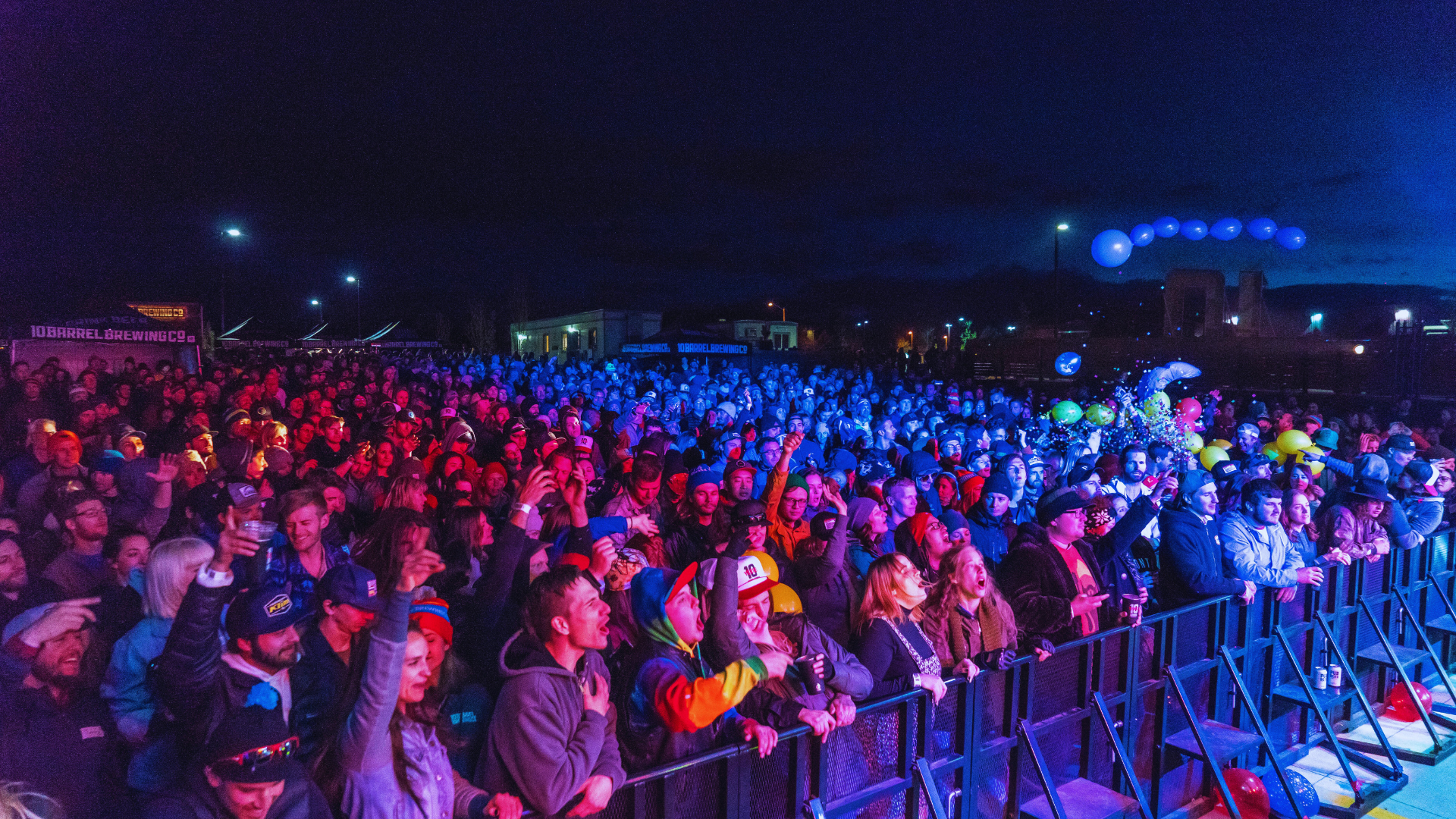
Fandoms have experienced significant growth in recent years, transforming from niche communities into powerful cultural phenomena. These groups provide fans with a sense of belonging while fostering engagement with their favourite entertainment. The rise of fandoms illustrates how shared passions create vibrant communities that transcend geographical and cultural boundaries.
As digital platforms evolve, the reach and influence of fandoms expand, allowing fans to connect and interact on a global scale. This evolution has led to greater visibility for various entertainment genres, including films, television shows, books, and video games. The passion of these communities not only impacts their members but also shapes the broader entertainment landscape, making it more inclusive and diverse.
The interplay between fandom, culture, and entertainment has given rise to unique expressions of creativity and collaboration among fans. They actively participate in discussions, create fan art, and produce fan fiction, enriching the cultural fabric of the mediums they adore. Within this context, fandoms emerge as powerful social forces that redefine how stories are shared and celebrated.
Evolution of Fandom Culture
Fandom culture has undergone significant transformations from its historical beginnings through the impact of technology and the digital landscape. The interplay between cultural production and community engagement has shaped how fans interact with their interests.
Historical Development
Fandom culture has rich historical roots, originating in the early 20th century with literature and film. Fans began gathering to discuss their passions, notably with science fiction and fantasy communities. Early conventions, like the 1939 World Science Fiction Convention, marked pivotal moments in bringing enthusiasts together.
These fandoms facilitated the exchange of ideas and fostered connections among like-minded individuals. As genres developed, so too did the depth of engagement, from fan clubs to fanzines. The shared enthusiasm for narratives and characters created a sense of belonging, setting a foundation for future fandoms.
Impact of the Digital Revolution
The digital revolution catalysed a tremendous shift in fandom culture. The rise of the internet allowed fans to connect across geographic boundaries, creating a global community. Online forums and websites emerged, offering spaces to share fan theories, art, and fan fiction.
Social media platforms, like Twitter and Facebook, further transformed engagement by enabling real-time discussions. This fostered connections between creators and fans, enhancing the participatory nature of fandoms. Technology played a critical role in amplifying voices within these communities, pushing traditional cultural production boundaries.
Fandom in the Digital Age
In the digital age, fandoms have become increasingly dynamic and multifaceted. The accessibility of platforms like Tumblr, YouTube, and Discord enables fans to express creativity and interact with varying media. Participants can create and share remixes, videos, and artwork that reflect their interpretations of pop culture phenomena.
Nostalgia also plays a crucial role, as franchises from the past are revived and reimagined for new audiences. This blend of old and new creates a rich tapestry of cultural continuity. As fandoms continue evolving, their influence on cultural production and broader society remains profound, showcasing the strong bond between fans and their interests.
Fan Communities and Interaction
Fan communities thrive on interaction, fostering connections among individuals who share similar interests. These interactions occur across various platforms and events, promoting a sense of belonging and collaboration.
Online Communities and Social Platforms
Online platforms are crucial for fan communities. Websites such as Reddit, Tumblr, and Discord host numerous fan clubs and forums dedicated to specific interests.
Social Media Impact:
- TikTok provides a space for creative expression where fans share content related to their fandoms.
- Facebook serves as a hub for creating groups that foster discussions and event planning.
- Instagram allows fans to share visual content, enhancing connection through imagery and storytelling.
Members of these platforms often engage in discussions, share fan art, and post updates on their interests, helping to build vibrant communities.
Conventions and Fan Meetings
Conventions are important events where fans come together, often featuring panels, workshops, and merchandise. They offer opportunities for fans to meet their favourite creators and engage with fellow enthusiasts.
Key Features of Conventions:
- Panels: Present discussions that deepen fans’ understanding of their fandoms.
- Meet and Greets: Allow fans to interact personally with celebrities or creators.
- Cosplay Contests: Enable fans to express their creativity and showcase their dedication.
Events create a tangible sense of community, allowing fans to forge lasting friendships and share experiences in person.
Fan Engagement and Community Building
Fan engagement strategies are vital for sustaining active communities. Creators and brands often encourage interaction to strengthen bonds with fans.
Methods of Engagement:
- Contests and Challenges: Stimulate creativity and participation within the community.
- Live Streams: Offer real-time interaction between creators and their audience, enhancing connection.
- User-Generated Content: Invite fans to contribute their own content, fostering a deeper sense of ownership and involvement.
Community-building activities not only enhance fan loyalty but also cultivate an environment where members feel valued and connected.
Fandom in Media and Entertainment
Fandom plays a pivotal role in shaping the landscape of media and entertainment. It influences storytelling, fosters creativity, and drives merchandise sales, creating a dynamic relationship between fans and creators.
Influence on Books, Movies, and TV Shows
Fandom significantly impacts the content of books, movies, and TV shows. Creators often adapt narratives based on fan feedback and trends. This interaction can be seen in franchises like Harry Potter and Star Wars, where fan theories and preferences shape plot directions.
Fan fiction emerges as a platform where enthusiasts explore alternative storylines. These narratives sometimes introduce new characters or alter existing arcs, challenging traditional storytelling. The presence of the “Mary Sue” character often sparks debates among fans regarding character depth and realism.
Transition from Consumers to Creators
The rise of digital platforms has enabled fans to transition from passive consumers to active creators. Many fans create art, write fan fiction, and produce videos that celebrate and expand their favourite universes. This shift has fostered a sense of community and collaboration.
Creators encourage this trend by engaging with their audiences on social media. They often share behind-the-scenes content and welcome fan input, creating a cycle of inspiration. This interaction not only strengthens fandom but also opens avenues for diverse interpretations of popular narratives.
The Role of Merchandise and Promotional Activities
Merchandise is an essential aspect of fandom, amplifying the emotional engagement fans have with franchises. Products range from apparel and collectables to posters and limited-edition items. This merchandise solidifies the connection between fans and their favourite series.
Promotional activities, including fan conventions and online events, enhance this relationship. These gatherings allow fans to interact with creators, participate in discussions, and showcase their own creations. Such events often highlight fan art and cosplaying, fostering a vibrant community culture.
The Sociocultural Impact of Fandoms
Fandoms significantly shape cultural landscapes and social dynamics. They play a role in promoting representation and diversity while also catalysing social change. Yet, they can also present challenges, particularly through the emergence of toxic fandom behaviours.
Representation and Diversity in Fandoms
Fandoms have become a vital space for representation and diversity. Fans actively advocate for inclusivity in media, urging creators to portray varied identities, cultures, and experiences. This has led to increased visibility for underrepresented groups, enabling them to see themselves reflected in characters and narratives.
Engagement within fandoms often hinges on discussions about representation. For example, fans might launch campaigns to support more diverse casting choices or demand storylines that explore gender, race, and sexuality. This sense of community fosters solidarity, allowing individuals to share personal experiences and amplify marginalised voices.
Fandoms and Social Change
Fandoms frequently drive social change through activism. They mobilise around issues such as mental health, environmentalism, and social justice. Platforms like Twitter and Tumblr serve as staging grounds where fans organise campaigns, fundraisers, and awareness initiatives.
Notable examples include fan-led movements advocating for LGBTQ+ rights or anti-racism efforts within media franchises. Fans leverage their collective power to challenge problematic narratives and demand accountability from creators. Such activism demonstrates how fandoms extend beyond entertainment, influencing broader societal issues.
The Phenomenon of Toxic Fandom
Not all aspects of fandom culture are positive. Toxic fandom represents a troubling phenomenon where extreme behaviour leads to harassment and exclusion. Some fans may enforce rigid expectations regarding character portrayals or plotlines, resulting in aggressive criticism towards creators and fellow fans.
This toxicity can stifle creativity and discourage diverse interpretations. Online platforms can exacerbate these issues, as anonymity allows for harmful behaviours to flourish. It is essential for ethical engagement within fandoms to address these challenges and foster a healthier community dynamic.
Leave a Reply