
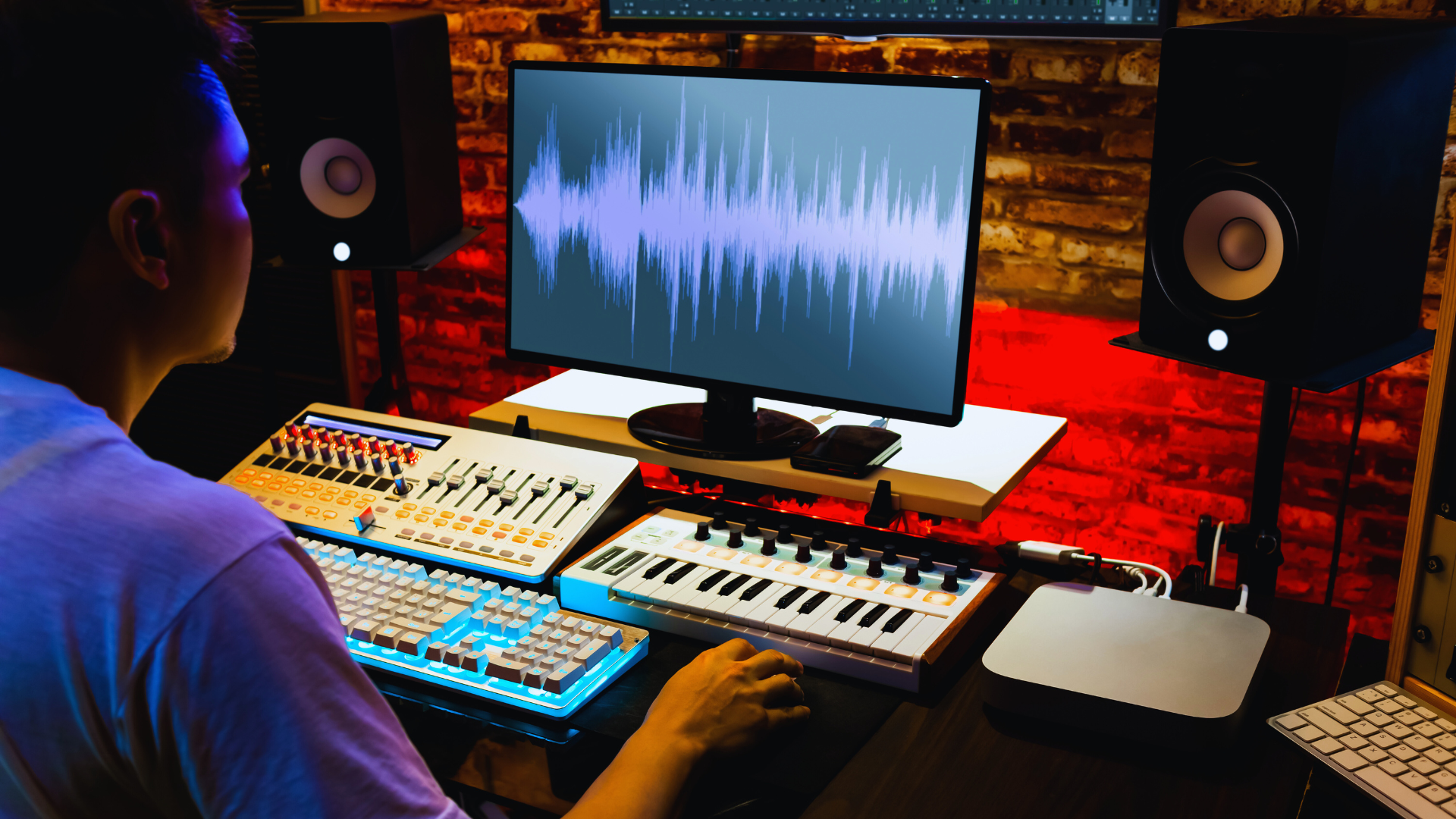
The rise of genre-blending in modern music reflects a shift in how artists approach creativity. Rather than sticking to one style, many now combine elements from multiple genres to create unique and innovative sounds. This blending allows musicians to break traditional boundaries and reach wider, more diverse audiences.
Advancements in technology and the accessibility of digital platforms have made it easier for artists to experiment with different influences. Listeners today are more open to varied sounds, encouraging this cross-genre approach. As a result, the music landscape is evolving rapidly, with genre lines becoming increasingly blurred.
Understanding Genre-Blending in Modern Music
Genre-blending combines elements from multiple music styles to create new sounds. It challenges rigid categories and reflects shifts in artistic expression, audience tastes, and industry practices. This section examines what genre-blending is, how it evolved from traditional genres, and the cultural factors influencing its rise.
Defining Genre-Blending and Its Characteristics
Genre-blending is the practice of integrating distinct musical styles within a single work. It often merges elements like instrumentation, rhythm, vocal techniques, or production styles from different genres. For example, a track may combine jazz improvisation with hip-hop beats or rock guitar riffs with electronic synthesisers.
Key characteristics include fluidity between genre boundaries, experimentation, and hybridisation. Artists do not strictly conform to one genre’s norms but instead draw selectively from multiple sources. This results in music that is diverse, innovative, and harder to categorise in the traditional sense.
Evolution from Traditional Genres to Genre Fluidity
Historically, music was grouped within clear genres such as jazz, rock, or pop. These categories were reinforced by record labels, radio playlists, and marketing strategies. However, from the late 20th century onwards, genre boundaries began to blur as artists sought new creative freedoms.
The emergence of digital platforms and production tools accelerated this shift. It enabled easier access to various styles and facilitated collaboration across genres. The industry itself adapted, recognising that genre fluidity attracted wider audiences and boosted streaming potential.
Cultural Influences Shaping Cross-Genre Styles
Cultural exchange plays a significant role in genre-blending. Globalisation enables artists to incorporate diverse musical traditions and instruments. For instance, the influence of Afrobeat rhythms on Western pop or the use of Indian classical instruments in electronic music highlights this trend.
Additionally, social movements and demographic shifts contribute to the blending of genres. Younger generations often favour hybrid identities, reflecting multicultural backgrounds. This drives demand for music that reflects varied experiences rather than strict genre labels.
Key Drivers Behind the Rise of Genre-Blending
Several technological and platform-based changes have combined to encourage artists to mix genres more freely. Accessibility and innovation in music creation tools, alongside new ways for audiences to discover music, have reshaped artistic choices.
Impact of Streaming Platforms and Digital Platforms
Streaming services like Spotify, Apple Music, and YouTube have revolutionised how listeners access music. Algorithms recommend tracks that combine multiple genres, exposing users to diverse sounds. This pushes artists to blend styles to reach broader audiences.
Digital platforms also reduce barriers for independent musicians, allowing genre experimentation without major label constraints. Playlists focused on moods or activities rather than strict genres reward hybrid music, increasing its visibility and commercial viability.
Role of Modern Music Production and Digital Audio Workstations
Digital Audio Workstations (DAWs) such as Ableton Live, FL Studio, and Logic Pro have simplified the process of blending sounds. These tools offer extensive libraries of virtual instruments, effects, and samples from different genres.
Producers can effortlessly merge electronic, hip-hop, rock, and more in a single track. The accessibility of DAWs has broadened creative possibilities, enabling artists to experiment without the need for large studios or complex setups.
Influence of Sampling and Technological Innovation
Sampling technology allows musicians to incorporate elements from a wide range of genres. Artists can repurpose existing recordings to create new hybrid pieces, often crossing cultural and stylistic boundaries.
Advancements in software make it easier to manipulate samples with precision, encouraging genre fusion. This technique, combined with innovative sound design, continues to be a major driver behind genre-blending’s growth in contemporary music.
Notable Artists and Cross-Genre Collaborations
The blending of genres often involves key artists who challenge traditional boundaries, landmark collaborations that set new trends, and independent creators shaping modern sounds. These elements combine to diversify contemporary music landscapes.
Influential Genre-Blending Artists of the 2020s
Billie Eilish stands out for combining pop, electronic music, and alternative styles, creating a unique sound that appeals broadly. Her approach is minimalist yet experimental, influencing many emerging artists.
Lil Nas X is notable for fusing country music with hip-hop and rap, especially with his 2019 hit Old Town Road. The song’s unexpected success showcased the commercial viability of genre crossover in mainstream music.
Other artists like Post Malone and H.E.R. also mix rap with rock, R&B, and pop elements. Their work underscores a trend where genre labels are less rigid, and creative expression takes priority.
Landmark Cross-Genre Collaborations and Songs
Old Town Road by Lil Nas X featuring Billy Ray Cyrus is a pivotal example of cross-genre collaboration. The mix of country and rap reached number one across various music charts worldwide.
Billie Eilish’s work with producer Finneas O’Connell blends electronic beats and pop melodies seamlessly. Their collaborations highlight the potential of combining traditional songwriting with modern production techniques.
Collaborations like Run The Jewels, blending hip-hop with electronic influences, or BTS working with pop and hip-hop artists, further exhibit how joint efforts lead to wider audience appeal and genre fluidity.
Independent Artists Shaping New Musical Landscapes
Independent artists today often experiment without label restrictions, pushing genre boundaries freely. Many use platforms like SoundCloud and Bandcamp to release music mixing electronic, rap, and pop styles.
Artists such as Clairo and Rex Orange County blend indie pop with hip-hop and electronic music, creating intimate yet innovative sounds. Their success reflects growing demand for genre diversity outside mainstream channels.
This independent movement fosters new sub-genres and promotes collaboration across styles. These artists play a critical role in how modern music evolves in an increasingly hybridised industry.
Impact on the Music Industry and Future Perspectives
The integration of multiple genres into single tracks reshapes traditional industry roles, audience engagement, and marketing strategies. As genre boundaries dissolve, industry players must respond to evolving consumption patterns and the fluid tastes of listeners.
Challenges and Opportunities for the Industry
Genre-blending challenges the music industry’s conventional categorisation, complicating rights management, royalty distribution, and chart placements. Traditional labels face pressure in adapting to artists who prefer independent or direct-to-platform releases, bypassing established systems.
Platforms like Spotify benefit from this trend by offering algorithm-driven playlists that promote genre fluidity, enhancing discovery and diversifying user engagement. This shift also opens opportunities for cross-market collaborations and new revenue streams, especially in multi-genre festivals and partnerships.
However, the complexity of categorising royalties and marketing mixed-genre artists remains a hurdle. Industry stakeholders must develop flexible business models and legal frameworks to address these challenges effectively.
Shifting Listener Preferences and Audience Behaviour
Listeners increasingly favour playlists and tracks that defy single-genre labels, reflecting a rise in eclectic listening habits. This tendency encourages artists to experiment with sounds and themes, as consumer demand rewards innovation over genre loyalty.
Streaming services like Spotify play a significant role by curating genre-fluid playlists and personalised recommendations. Such platforms track listening habits that do not conform to narrow genre definitions, reshaping how audiences discover and interact with music.
Audience behaviour now emphasises mood and context over strict genre allegiance. This transition influences concert attendance and merchandising, with fans seeking diverse experiences rather than traditional artist-brand alignment.
Evolving Marketing and Genre Categorisation
Marketing strategies now focus on the unique blend of styles an artist presents rather than fitting them into pre-existing genre boxes. Labels and promoters highlight the fusion elements as a selling point, tailoring campaigns to appeal to broader or multi-segment audiences.
Genre categorisation becomes increasingly complex on digital platforms. Algorithmic tagging and metadata must evolve to accurately represent genre-fluid music without limiting its reach. Spotify’s dynamic categorisation tools serve as a model for this adaptive approach.
Promotion often involves positioning artists within multiple genres simultaneously. This approach enables targeting different demographics and leveraging various streaming playlists, enhancing visibility while acknowledging the fluid nature of modern music tastes.
Leave a Reply